
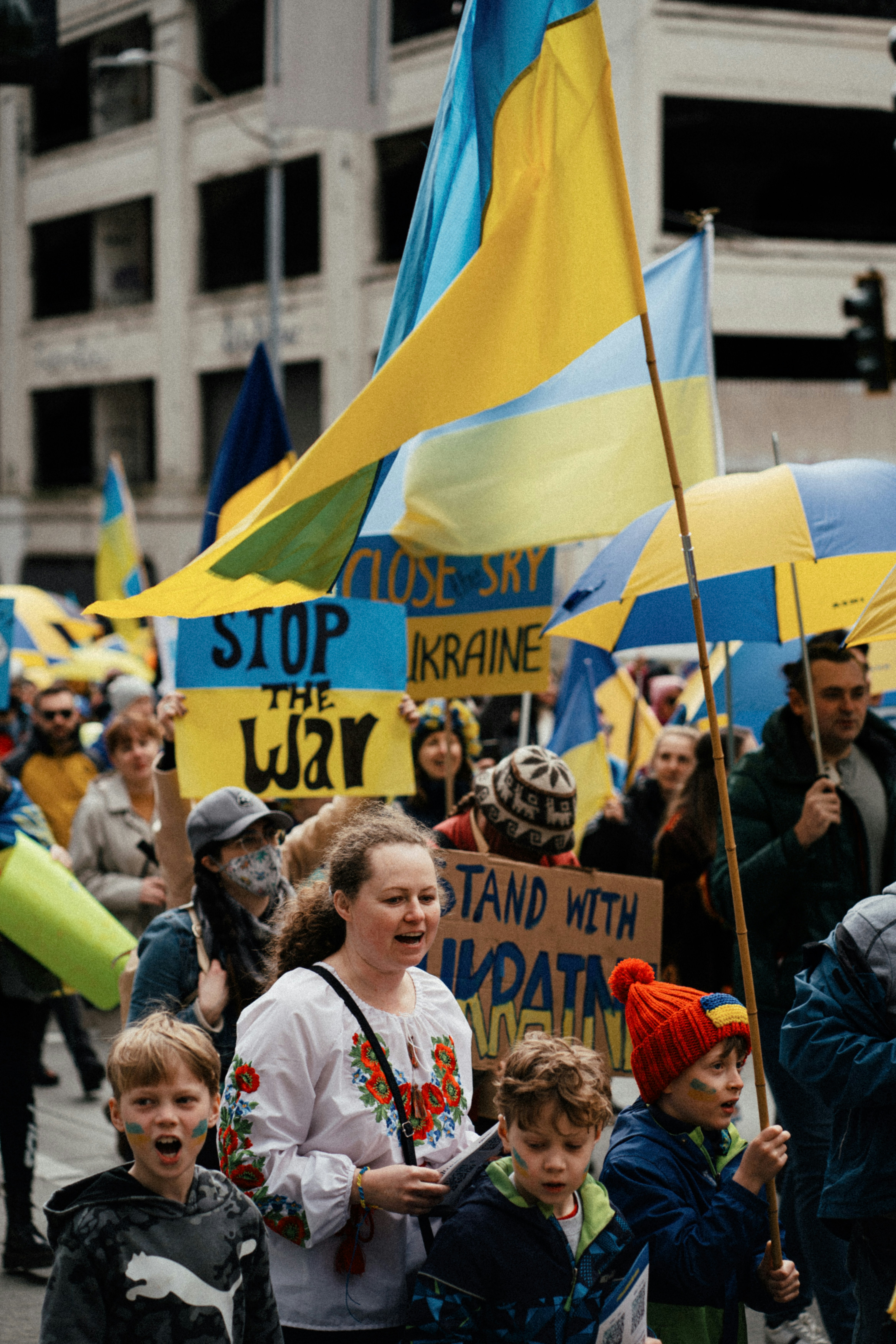
Introduction to the Ukraine War and Trump’s Position
The Ukraine War, which began in 2014, has its roots in a complex interplay of historical, political, and social factors. The initial catalyst was Ukraine’s Euromaidan protests in late 2013, which opposed then-President Viktor Yanukovych’s decision to suspend an association agreement with the European Union in favor of closer ties with Russia. This unrest grew into a larger movement demanding governmental reforms, ultimately leading to Yanukovych’s ouster. Following these events, Russia annexed Crimea in March 2014, citing the need to protect Russian-speaking populations. This move, widely condemned by the international community, ignited pro-Russian separatism in Eastern Ukraine, resulting in a protracted and bloody conflict.
Throughout the ongoing strife, various international actors have been involved, with the United States, under different administrations, playing a significant role in supporting Ukraine. The conflict has led to thousands of deaths and has displaced millions, creating a humanitarian crisis that reverberates across Europe and beyond. The U.S. has provided military aid and imposed economic sanctions on Russia, aiming to deter further aggression. However, the war has also prompted debates on the effectiveness and consequences of military intervention, particularly regarding U.S. foreign policy strategy.
Donald Trump’s tenure as President has been marked by a distinctive approach to international relations, characterized by skepticism towards multilateral agreements and a preference for making deals directly with key players. During his administration, Trump expressed reservations about U.S. involvement in foreign conflicts, promoting an “America First” policy. His statements on Ukraine have fluctuated, at times appearing supportive of Ukraine’s sovereignty while questioning the extent of U.S. military support. This duality highlights Trump’s complex stance towards the war, as he grapples with balancing national interests, military engagement, and international alliances.
Trump’s Recent Comments on the Situation
In a series of recent public appearances and interviews, former President Donald Trump has expressed a notable sense of skepticism regarding the prospects for a peaceful resolution to the ongoing conflict in Ukraine. During a notable speech at a rally in September 2023, Trump emphasized his viewpoint that many diplomatic efforts have thus far proven ineffective. He suggested that, based on his observations, the war is likely to drag on for an extended period. This commentary aligns with his broader narrative which frequently assesses international conflicts through a lens of pragmatism, often questioning the effectiveness of existing strategies employed by current leadership.
Moreover, during a televised interview with a prominent news outlet, Trump articulated concerns that the United States’ involvement in supporting Ukraine could lead to adverse consequences domestically. He remarked that continued commitment to military aid may not yield the desired outcomes and that the war exhibits signs of becoming a protracted struggle. This prevailing sentiment underscores Trump’s tendency to frame international issues from the perspective of national interests, often prioritizing economic implications over humanitarian considerations.
Trump also employed specific phrases that encapsulate his pessimistic outlook, such as “endless war” and “diplomatic failures.” These terms resonate with his previous assertions made during his presidency, asserting the need to reevaluate America’s role in global conflicts. His recent statements reveal a consistent theme: skepticism towards the efficacy of diplomatic solutions while advocating for strategies that prioritize American interests. The euphoric hope for an immediate resolution, according to Trump, seems dimmed by a realistic appraisal of the circumstances surrounding the Ukraine conflict. As the situation continues to evolve, his views will likely provoke further discussions and critiques around U.S. foreign policy direction and its implications on conflict resolution efforts.
Factors Influencing Trump’s Outlook
Donald Trump’s perspective on resolving the Ukraine war is influenced by a multitude of factors, ranging from political dynamics to military strategies and international relations. One of the most significant elements shaping his skepticism about peace negotiations is the intricate web of political interests present both domestically and internationally. Trump’s administration often demonstrated an affinity for transactional diplomacy, which prioritizes immediate gains over long-term stability. This pragmatic approach may lead him to question the intentions behind potential ceasefire agreements, especially if they appear to disadvantage U.S. interests.
Moreover, Trump’s views on military power and defense strategies play a crucial role in his assessment of the Ukraine conflict. He has frequently emphasized the importance of a strong military presence and deterrence as critical components of foreign policy. This perspective may contribute to his hesitation in advocating for a swift resolution to the war, as he might presume that showcasing military strength could foster a more favorable negotiation environment. The complexities of military alliances and the potential ramifications of a weakened U.S. position in Eastern Europe further complicate his outlook.
Additionally, the influence of foreign powers, particularly Russia, cannot be overlooked. Trump’s attitudes toward Russian leadership have been a topic of controversy, and he has often expressed a desire for improved relations with Moscow. This inclination might lead him to question the credibility of Ukraine as a partner in negotiations, as he may speculate whether concessions could be made without compromising U.S. interests in the region. Furthermore, his perception of leadership styles in international conflicts may steer him toward a more cautious approach, favoring discussions that reflect strength rather than a hasty end to hostilities.
Comparison with Other Political Figures
Donald Trump’s perspectives on the Ukraine conflict stand in stark contrast to those of various political leaders, both within the United States and across the globe. At the core of his viewpoint is an inclination towards negotiation, emphasizing the necessity for direct talks between the conflicting parties. This approach notably diverges from the prevailing views of many current U.S. leaders, who advocate for continued support for Ukraine through military aid. President Joe Biden, for instance, has consistently emphasized the importance of supporting Ukraine militarily, asserting that robust backing is essential for Ukraine’s sovereignty and territorial integrity. This fundamental difference highlights the varied approaches leaders take regarding the Ukraine war.
Internationally, perspectives on this matter diverge significantly as well. Leaders such as Emmanuel Macron of France have advocated for a combination of military support and diplomatic engagement, underscoring the need for a balanced approach in resolving the crisis. Macron’s stance indicates a belief in the necessity of support for Ukraine while simultaneously encouraging dialogue with Russia, reflecting a more centrist approach compared to Trump’s outright calling for negotiations. Similarly, figures like Ursula von der Leyen, the President of the European Commission, have voiced firm support for Ukraine, likening their struggle against aggression to the defense of European values.
Examining historical views, former leaders like Barack Obama adopted a more cautious stance, emphasizing the potential repercussions of military escalation in Eastern Europe. Trump’s viewpoint represents a distinctive departure from the traditional foreign policy norms established by previous administrations, reflecting a unique blend of realist and isolationist tendencies. The contrast with his counterparts not only illustrates the complexity of opinions surrounding the Ukraine war but also underscores the varied strategies proposed to achieve peace in the region. Thus, the discussion around the Ukraine conflict continues to evolve, showcasing a remarkable spectrum of insights from global leaders.
Responses from Ukrainian Leaders and NATO Officials
The reactions of Ukrainian officials and NATO representatives to Donald Trump’s expressed doubts about the continuation of support for Ukraine are multifaceted, reflecting a strong concern for the implications of such sentiments. Ukrainian officials have underscored the importance of sustained international support in their bid to counter Russian aggression. They regard Trump’s remarks as potentially undermining the vital assistance Ukraine receives from the United States and its allies, hence jeopardizing their ongoing resistance efforts.
Ukrainian leaders, including President Volodymyr Zelenskyy, have articulated the necessity of unwavering U.S. support as crucial for boosting morale and reinforcing their military capabilities against Russian forces. The perception among these leaders is that each statement made by influential figures such as Trump could affect public opinion and policy direction within the United States, which could ultimately influence legislative approval for military aid and humanitarian assistance.
NATO officials have echoed these sentiments, emphasizing the importance of a unified front in the face of Russian hostility. They assert that any sign of wavering support from the U.S. could embolden hostile actors and weaken the deterrent effect that NATO’s collective response has established. Moreover, the concern exists that Trump’s pessimistic outlook could adversely affect diplomatic relations and negotiations, creating a perception of vulnerability and instability for Ukraine, thereby potentially encouraging increased aggression from Russia.
Overall, both Ukrainian leaders and NATO representatives stress the critical nature of maintaining robust support to ensure that Ukraine can continue its defense against external threats. They emphasize the importance of consistent messaging from U.S. leaders to reinforce the collective commitment to Ukraine’s sovereignty and territorial integrity, which remains an essential element of international security and stability.
The Broader Impact of Trump’s Stance
Donald Trump’s skepticism regarding the ongoing Ukraine war raises several important questions about the influence of his views on U.S. foreign policy and global geopolitics. As a former president who remains a significant figure in American politics, Trump’s opinions have the potential to reshape public perception and influence strategic decision-making regarding international interventions. His assertion that the conflict may not be worth continued American involvement reflects a growing sentiment among some segments of the U.S. electorate, who are becoming increasingly wary of extended military commitments abroad.
This perspective could have noteworthy implications for how future administrations approach foreign policy, particularly in contexts resembling the Ukraine situation. If public opinion increasingly aligns with Trump’s views, policymakers may prioritize domestic concerns over international engagements. This shift could lead to a reduction in military aid, diplomatic efforts, or even sanctions aimed at supporting Ukraine, ultimately affecting both the war’s duration and the type of support provided to allied nations facing aggression.
From a global standpoint, Trump’s stance may embolden authoritarian regimes that view his skepticism as an opportunity to pursue aggressive policies without fear of significant U.S. intervention. Countries such as Russia, which has historically engaged in expansionist policies, might interpret Trump’s doubts as a signal to increase their geopolitical ambitions, potentially destabilizing regions beyond Ukraine. Additionally, U.S. allies may find themselves recalibrating their strategies in response to perceived shifts in American reliability as a security partner, thereby altering the balance of power on the international stage.
Overall, the ramifications of Trump’s views on the Ukraine war extend far beyond the immediate conflict, shaping the future landscape of U.S. foreign policy and international relations. The importance of these dynamics warrants careful attention from analysts, policymakers, and citizens alike.
Public Opinion on Trump’s Views
Donald Trump’s statements regarding the conflict in Ukraine have elicited a wide range of reactions from the American public, illustrating the complexities of attitudes toward U.S. involvement in foreign conflicts. A series of polls conducted in the recent past provides a comprehensive view of how individuals resonate with his perspectives. According to a survey by Gallup, approximately 60% of Americans support continued assistance to Ukraine, which emphasizes a significant backing for U.S. involvement in international conflicts as a means of upholding global democratic standards.
However, there exists a notable division within Trump’s support base regarding foreign policy, particularly in relation to Ukraine. Many of his loyalists echo an isolationist sentiment, advocating for minimal U.S. intervention abroad, which starkly contrasts with the views of traditional Republican supporters who favor a more active role in global affairs. This polarization highlights a complication for Trump as he navigates his political stance, intertwining both populist and mainstream Republican ideologies. According to a recent poll by Pew Research Center, among Trump supporters, there is a split, with nearly 45% saying the U.S. should do more to support Ukraine while an equal percentage believes the U.S. should prioritize domestic issues instead.
The variation in opinions surrounding Trump’s comments reveals an evolving narrative as American citizens assess the implications of foreign engagements. It also serves as a reflection of the broader debate on how the United States should position itself on the world stage. As the situation in Ukraine continues to develop, public sentiment is likely to change, influencing political discourse related to the efficacy and morality of U.S. involvement in international conflicts. Overall, the division among the American electorate on this issue signifies the challenges that lie ahead for any political figure attempting to bridge these contrasting viewpoints.
Potential Outcomes of Continued Conflict
The ongoing conflict in Ukraine has far-reaching implications that extend beyond its borders. If diplomatic efforts aimed at resolving the war continue to falter, several potential outcomes may emerge, each with significant consequences for regional stability and the global geopolitical landscape. Experts have analyzed these scenarios to understand the broader implications of prolonged hostilities.
One imminent consequence of continued conflict is the exacerbation of humanitarian crises within Ukraine. The prolonged struggle has already displaced millions and disrupted essential services, leading to severe shortages of food, water, and medical supplies. As fighting intensifies, civilian casualties will likely increase, further straining international aid efforts. This humanitarian disaster could compel neighboring countries to reevaluate their immigration policies and support strategies for refugees, resulting in added strain on regional resources and growing tensions as they grapple with an influx of displaced individuals.
Regionally, a drawn-out conflict could embolden aggressive posturing from surrounding nations. The ongoing instability may prompt other countries, particularly Russia, to assert more influence over their neighbors, potentially leading to a realignment of alliances and heightened militarization in Eastern Europe. Additionally, power vacuums created by the war could give rise to extremist factions or other non-state actors seeking to exploit the situation for their own gain, further complicating the geopolitical landscape.
On a global scale, the failure to resolve the conflict diplomatically could significantly alter the balance of power. Key international players, such as the United States and members of the European Union, may face difficult decisions regarding military support for Ukraine and sanctions against aggressor nations. These dynamics could lead to a protracted standoff reminiscent of Cold War tensions, where clear lines of division are drawn between opposing blocs, each seeking to fortify their positions against the other.
Conclusion: The Path Forward
The exploration of Donald Trump’s views regarding the resolution of the Ukraine conflict reveals a multifaceted approach to a highly complex geopolitical issue. Throughout the discussion, we have seen that Trump’s perspective is shaped by a combination of personal, political, and historical factors. His inclination towards negotiating peace, while emphasizing the need for direct dialogue, raises questions about the role of traditional diplomacy in modern conflicts. This aligns with his narrative of prioritizing American interests and advocating for an “America First” policy, which may influence how he approaches international relations.
In examining Trump’s skepticism toward prolonged military involvement, it becomes apparent that his proposed strategies involve a significant shift from conventional methods of engagement. His emphasis on negotiations reflects a broader trend that challenges the longstanding reliance on military solutions in conflict resolution. However, this brings forth critical considerations about the balance between diplomatic efforts and the necessity of advocating for Ukraine’s sovereignty and territorial integrity.
The implications of Trump’s stance on the future of the Ukraine war cannot be understated. As potential diplomatic avenues are explored, it is essential to understand the broader context of international relations, including the influence of other global actors. The contention surrounding this conflict signifies how deeply entrenched interests complicate pathways to peace. Therefore, ongoing discourse is paramount to navigate these complexities, encouraging leaders from all nations to engage thoughtfully with the nuances of conflict resolution.
Ultimately, the path forward must involve a careful evaluation of varied perspectives, understanding that resolving the Ukraine war will necessitate not just dialogue but a willingness to adapt to new realities in the international landscape. The future will depend on the efficacy of communications and the commitment of all involved parties to seek constructive outcomes.