
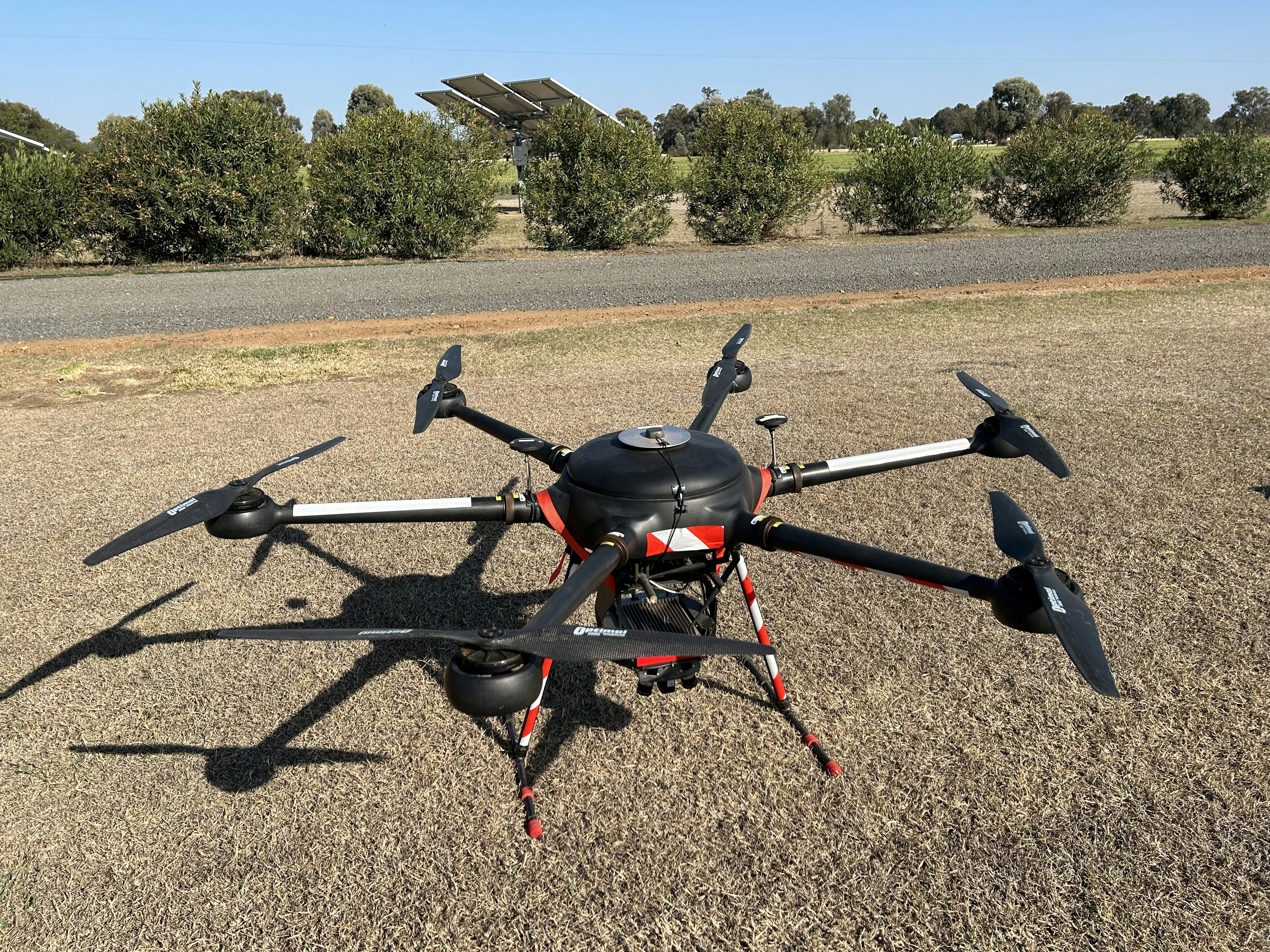
Introduction to the Proposed Regulations
The proposed regulations concerning the importation of drones and heavy-duty vehicles from China have emerged as a response to escalating concerns surrounding national security, economic competitiveness, and existing trade relations. With the rapid advancement of technology, particularly in the drone sector, and the significant role of heavy-duty vehicles in the global supply chain, these regulations aim to establish a more comprehensive framework for scrutinizing imports from China.
One of the primary drivers behind the introduction of these regulations is national security. Drones, which have potential dual-use capabilities, can be utilized for both commercial and surveillance purposes. Therefore, the federal authorities seek to ensure that the imported goods do not compromise national interests or contribute to illegal activities. Simultaneously, heavy-duty vehicles have become critical components in transportation and logistics, where their manufacturing origins can pose risks related to data security and operational integrity.
Economic competitiveness also plays a pivotal role in shaping these regulations. The United States aims to fortify its domestic industries against unfair competition from foreign manufacturers that may benefit from subsidized prices or lower production costs. By implementing stricter import restrictions, the regulations are expected to level the playing field for American manufacturers, enabling them to compete more effectively in the global market. This aligns with broader efforts to strengthen the domestic economy and reduce dependency on foreign imports.
Furthermore, understanding these proposed regulations is essential for businesses and consumers alike. For businesses, compliance will be crucial to avoid potential penalties and disruptions in their supply chains. Consumers should also be aware of how these regulations could impact the availability and pricing of drones and heavy-duty vehicles in the marketplace. Therefore, this blog post aims to provide a step-by-step breakdown of the proposed regulations, offering insights that are vital for navigating this evolving landscape.
Background and Context
The relationship between the United States and China regarding trade in high-tech goods has evolved significantly over the past two decades. As China emerged as a leading global manufacturer, U.S. imports of products such as drones and heavy-duty vehicles surged, prompting concerns about national security, intellectual property theft, and economic competition. This historical backdrop is essential for understanding the proposed regulations aimed at curbing imports from China, particularly in the technology and automotive sectors.
Historically, the U.S. has faced numerous challenges linked to the importation of Chinese high-tech goods. For instance, the drone market has witnessed significant scrutiny due to allegations of espionage and data theft associated with certain manufacturers. A prominent case involved a Chinese drone producer whose products were banned by various government agencies over security concerns. Concurrently, heavy-duty vehicles made in China have also drawn criticism over their adherence to environmental standards and safety regulations, creating apprehensions among consumers and lawmakers alike.
Statistical data underscores the magnitude of these imports, with the U.S. importing approximately $450 billion in goods from China in recent years, including billions of dollars worth of drones and heavy-duty vehicles. In 2022 alone, the U.S. imported around $3.5 billion of drone-related products, a figure that highlights the significance of this sector within the broader trade narrative. Furthermore, heavy-duty vehicles account for a substantial fraction of these imports, raising questions about quality control and compliance with U.S. regulations. These statistics not only reflect the high volume of trade but also the necessity for regulatory measures designed to ensure both safety and security. Thus, the proposed regulations emerge from a complex backdrop of trade dynamics, security concerns, and legislative responses aimed at protecting U.S. interests.
Key Objectives of the Regulations
The proposed regulations concerning the targeting of Chinese drone and heavy-duty vehicle imports encompass multiple objectives aimed at addressing key concerns within the United States. One of the predominant goals is to safeguard national security. The rapid advancements in drone technology, particularly those originating from China, necessitate a thorough examination of their potential implications on security. The regulation serves to mitigate risks associated with the espionage and data theft through the usage of foreign-manufactured drones, thus ensuring that sensitive information remains protected.
Another essential objective of the proposed regulations is to promote domestic manufacturing. By placing stricter controls on imports, particularly from China, the regulations aim to encourage local production of drones and heavy-duty vehicles. This not only seeks to bolster the domestic economy but also aims to create jobs within the manufacturing sector. A shift toward supporting local manufacturers can foster innovation and competitiveness, transforming the national landscape regarding technology production and heavy vehicle development.
Additionally, the regulations are responding to pressing environmental concerns related to heavy-duty vehicles. The introduction of standards for emissions and compliance ensures that imported vehicles meet specific environmental criteria. By prioritizing sustainable practices, the regulations seek to lessen the overall environmental impact that may arise from the integration of lower-quality foreign vehicle imports. This aligns with broader initiatives to mitigate climate change and promote cleaner transportation alternatives.
Lastly, ensuring compliance with international trade agreements forms a crucial pillar of the objectives behind these regulations. By establishing clear guidelines for imports, the United States aims to navigate the complexities of global trade while protecting its interests. This balance is vital for maintaining relationships with trade partners while pursuing national priorities. Overall, the proposed regulations reflect a multifaceted approach to addressing contemporary challenges associated with imports from China.
Step 1: Evaluation and Classification of Imports
In the context of regulating imports of drones and heavy-duty vehicles, the first step involves a comprehensive evaluation and classification process. This step is essential to ensure that only those products that meet specific criteria are subjected to the proposed regulations. Various assessments will be conducted to determine if an import falls within the defined categories of targeted products. The criteria for evaluation will include factors such as technological specifications, payload capacity, and operational capabilities.
Government agencies, such as the Department of Commerce and the Federal Aviation Administration, will be responsible for implementing these evaluations. Their collaboration is critical to ensure a holistic approach to the assessment of imports. Drones will be evaluated based on their intended use, whether for commercial applications, surveillance, or other purposes that might align with national security concerns. Similarly, heavy-duty vehicles will be assessed for their potential in transporting goods that could pose security threats.
Specific examples of targeted imports may include unmanned aerial vehicles (UAVs) equipped with advanced imaging technology, which can potentially be used for espionage or unauthorized surveillance. Additionally, heavy-duty trucks manufactured to accommodate military-grade cargo could also be classified as targeted due to their potential contributions to adversarial operations. This classification process not only helps in identifying imports that necessitate stringent scrutiny but also serves to mitigate risks associated with national security.
Overall, the evaluation and classification process is a foundational step in implementing the proposed regulations, providing clarity and direction regarding which imports will be prioritized for review and potential action. This step ensures that regulatory efforts are aligned with national security interests while maintaining a fair trading environment.
Compliance Requirements for Importers
The proposed regulations concerning the importation of Chinese drones and heavy-duty vehicles include specific compliance requirements aimed at ensuring that all imports adhere to established standards. Importers are mandated to submit thorough documentation to demonstrate compliance with safety, environmental, and operational standards set forth by relevant authorities. This documentation typically includes import permits, certificates of conformity, product specifications, and details regarding the manufacturing process.
To meet these compliance requirements, importers must ensure that their products align with the safety standards enforced by agencies such as the Department of Transportation (DOT) and the Environmental Protection Agency (EPA). It is essential for businesses to familiarize themselves with the relevant regulations that apply to the categories of drones and vehicles they plan to import. In addition to safety guidelines, environmental standards regarding emissions and energy efficiency are crucial components that must be met.
The clearance process for importing these products involves several steps. First, importers must submit an application for clearance with all required documentation to the customs authority. Following this, an assessment is conducted to verify that the products meet the applicable standards. If importers successfully navigate this process, their products will be cleared for entry into the domestic market. However, failure to comply with the established guidelines can result in significant penalties, which may include fines, product seizure, or the revocation of import licenses.
Thus, it is imperative for businesses reliant on importing Chinese drones and heavy-duty vehicles to understand these compliance requirements thoroughly. Preparing and maintaining adequate documentation, adhering to safety and environmental standards, and being aware of the consequences of non-compliance are vital steps in navigating the complexities surrounding these proposed regulations.
Implementation Timeline
The proposed regulations targeting the import of Chinese drones and heavy-duty vehicles are set to unfold over a structured timeline designed to ensure a seamless transition for all stakeholders involved. These regulations underscore the necessity of compliance from importers as they adapt to the new regulatory environment. The critical first phase of the implementation timeline commences with a preliminary announcement period, during which stakeholders will be briefed on specific requirements and guidelines. This phase is anticipated to span approximately three months.
Following the preliminary phase, a formal compliance period will be established. Importers will be granted a window of six months to align their operations with the new regulations. During this time, they are expected to furnish any necessary documentation and modify their import processes accordingly. Key milestones within this period include the submission of compliance plans by affected businesses as well as the establishment of training programs to facilitate understanding of the new requirements. This phase aims to equip importers with the knowledge and tools necessary to ensure adherence to the updated regulations.
As the compliance period concludes, regulators intend to introduce a phased rollout approach to allow for a gradual adjustment. This phased implementation is critical in minimizing disruptions within the supply chain, which could otherwise arise from an abrupt transition. Phase one will focus on high-risk categories of imports, where stricter measures will be applied first. Subsequent phases will progressively encompass additional categories as stakeholders adapt to the changes.
The success of these proposed regulations hinges not just on stringent enforcement but also on the cooperation of importers during the transition timeline. Thus, clear communication and guidance throughout the implementation phases will play an essential role in sustaining uninterrupted supply chains and ensuring regulatory objectives are met.
Impact Analysis: Businesses and Consumers
The proposed regulations targeting the importation of Chinese drones and heavy-duty vehicles are poised to have significant ramifications for both businesses and consumers. By imposing restrictions, these regulations aim to address national security concerns but could simultaneously disrupt established supply chains that many companies rely upon for sourcing products. Businesses importing Chinese drones may face increased costs due to potential tariffs, compliance measures, or alternative sourcing strategies. The financial burden is likely to be passed onto consumers, leading to higher retail prices for these technologically advanced products.
Furthermore, the availability of goods in the market may decline. Companies that previously relied on Chinese manufacturers for their product offerings might experience delays or limitations in their supply chains. This could result in shortages, making it difficult for consumers to find certain models of drones or heavy-duty vehicles at competitive prices. Consequently, decreased availability could harm customer satisfaction, as options become more limited. Market competition may also be affected; with reduced imports, domestic manufacturers could experience a temporary advantage, but this shift could deter innovation and diversity in product offerings.
Additionally, businesses will likely need to adapt to these new regulatory landscapes. Companies focused on importing Chinese products may need to explore alternative suppliers outside of China or invest in developing domestic production capabilities. This adjustment requires time, resources, and potentially new partnerships, all of which may influence a company’s bottom line. Not only does this present logistical challenges, but it could also stifle innovation as companies divert funds from research and development to comply with regulations. In conclusion, while the proposed regulations may serve national interests, the ripple effects on businesses and consumers could be extensive and multifaceted.
Challenges and Criticisms of the Proposed Regulations
The proposed regulations aimed at targeting imports of Chinese drones and heavy-duty vehicles have sparked considerable debate among industry stakeholders, policymakers, and trade experts. One primary concern revolves around the potential impact on trade relations between the United States and China. Critics argue that these regulatory changes could exacerbate tensions and lead to a detrimental trade war, negatively affecting industries that rely on Chinese products. The concern is particularly pronounced among businesses that import components or entire units from China, as the regulations could result in increased costs and supply chain disruptions.
Additionally, stakeholders have called for greater transparency in the evaluation process of proposed regulations. The lack of clarity on the criteria used to assess the necessity and effectiveness of these regulations raises questions regarding their fair implementation. Industry leaders argue that a transparent approach would ensure that all involved parties understand the basis for these regulations and could potentially influence their viability. Transparency is critical, as it can mitigate any perceptions of arbitrary decision-making that may arise during the evaluation process.
Another significant concern is the fear of retaliatory measures from China. Analysts have noted that previous instances of similar regulatory approaches have led to corresponding actions by China, affecting American exports and overall economic relations. Companies are particularly anxious about the possibility of losing access to a vast market, where many have established strong footholds over the years. This uncertainty could lead to a reluctance to invest in new opportunities or expand existing operations, ultimately stifling growth in various sectors.
Incorporating various viewpoints from stakeholders—such as manufacturers, trade associations, and economists—will be essential in evaluating the overall implications of the proposed regulations. A balanced approach that considers input from all sides may lead to more effective regulatory outcomes and sustained trade relationships.
Conclusion and Future Outlook
In reviewing the proposed regulations targeting Chinese drone and heavy-duty vehicle imports, it is evident that these measures represent a significant shift in U.S. trade policy. The implications of this initiative extend not only to the immediate landscape of these industries but also to the broader context of U.S.-China relations. As the need for national security and economic protectionism gains traction, understanding the ramifications of such regulations becomes crucial for multiple sectors.
The proposed regulations are primarily aimed at enhancing domestic production while potentially reducing reliance on foreign technology and imports, particularly from China. As the U.S. navigates this new terrain, it is essential to recognize the potential ripple effects on existing trade agreements and partnerships. The automotive industry, known for its interconnectedness with global supply chains, may face disruptions as manufacturers adjust to new compliance requirements. Moreover, the technology sector may experience a realignment as companies reassess their sourcing strategies and partnerships in light of these developments.
Looking ahead, the probability of further regulations concerning trade with China is high, especially as the geopolitical dynamic evolves. Continued dialogue regarding these measures will be critical in shaping the landscape of international trade, fostering cooperation, and addressing the underlying issues of intellectual property rights and competitive fairness. Stakeholders across industries must stay informed and proactive, anticipating and adapting to changes that may arise due to these proposed regulations.
Ultimately, while the immediate focus is on regulating specific imports, the long-term implications for U.S.-China trade relations remain pivotal, influencing not just policy but also the future of innovation and competitiveness in the global market.