
Introduction
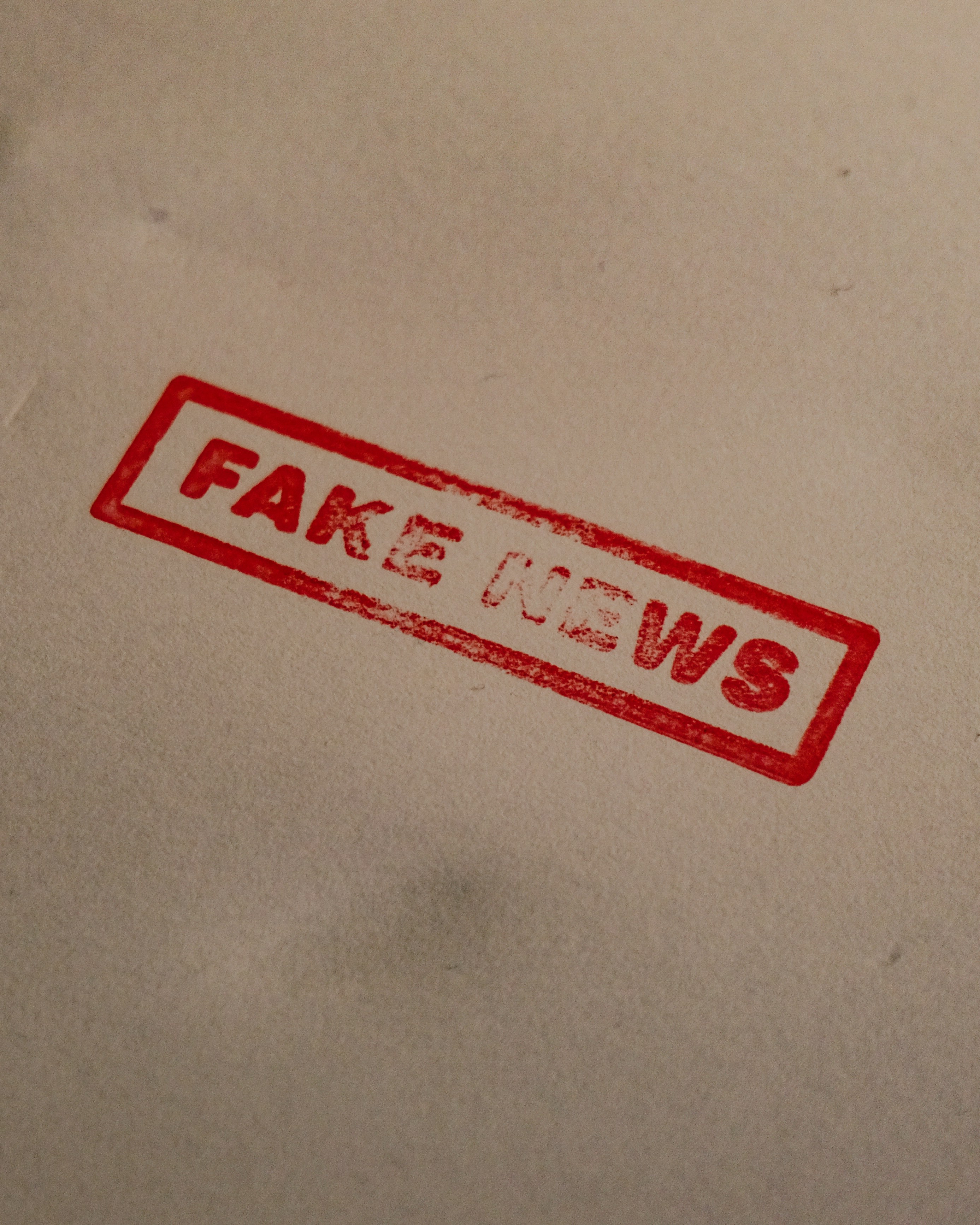
Recently, the topic of President Trump’s health has become a focal point of discussion, primarily due to a series of events that have sparked widespread speculation and concern. These rumors, often referred to as ‘fake news’ by the President himself, have circulated through various media outlets and social networks, prompting public curiosity and anxiety regarding his wellbeing. In an era where information spreads rapidly and often unverified, understanding the implications of such rumors becomes essential.
The root of these health rumors can be traced back to several public appearances and statements made by President Trump, which some observers interpreted as signs of declining health. Indeed, any indication of a prominent political figure’s health can evoke significant reactions from the public and the media alike, creating a fertile ground for misinformation. The discussions surrounding these rumors have only intensified, given the political climate and the upcoming elections. As a result, addressing these concerns not only involves dispelling unverified claims but also highlights the broader issue of misinformation in today’s media landscape.
In this context, the dismissal of these rumors by President Trump serves not just as a personal statement but also as a necessary reaction to the pervasive nature of misleading information. The importance of accurately representing true events cannot be overstated, particularly in an age where social media often amplifies distorted narratives. In this blog post, we will delve deeper into the circumstances surrounding these health rumors, explore their potential impact, and underline the significance of combating misinformation in ensuring public trust and maintaining the integrity of political discourse.
Background on Health Rumors
Health rumors regarding President Trump have circulated since he took office in January 2017, evolving in complexity and intensity over time. These rumors often arise from his unconventional communication style, particularly on social media platforms, where he has been known to make contentious statements that can be misinterpreted or taken out of context. For instance, following his COVID-19 diagnosis in October 2020, a wave of speculation emerged concerning his health, with sources ranging from political opponents to anonymous social media accounts fabricating stories about the severity of his condition.
Specific instances of health-related rumors include claims about his cognitive abilities, particularly during his administration. During the 2018 administration medical examination, the publicly reported results sparked debate, which led to unfounded theories about his mental acuity. Critics often pointed to his manner of speaking or apparent gaffes as purported evidence of declining health. These concerns were publicly addressed during interviews and press conferences, where Trump maintained a defiant stance, labeling the insinuations as “fake news” and politically motivated attacks designed to undermine his presidency.
Media coverage of these rumors has been pervasive, with major news outlets periodically revisiting the topic as new developments arise. Notably, the Washington Post and CNN have devoted extensive reporting to the evolution of these claims, examining their origins, motivations, and impact on public perception. These outlets frequently underscore the political motivations behind these rumors, suggesting that they serve as a means to weaken Trump’s standing ahead of key electoral moments. As the 2024 presidential election season approaches, it is anticipated that health rumors will resurface, potentially shaping voter attitudes and discussions surrounding his candidacy.
Trump’s Response to the Rumors
In recent weeks, President Donald Trump has faced a barrage of speculation concerning his health. In a series of press conferences and social media posts, he has unequivocally dismissed these rumors, branding them as “fake news.” The utilization of this term has been a hallmark of his communication style, as he seeks to invalidate claims in a manner that resonates with his supporters. During a press conference, Trump stated, “I feel great. I’m very healthy. These rumors are nothing more than a distraction.” His assertion was intended not only to quell concerns regarding his wellbeing but also to redirect attention to other pressing matters, framing the rumors as politically motivated misrepresentations.
Using a combative tone, Trump has actively challenged the credibility of media outlets reporting the health rumors. He remarked, “You guys are just desperate to find something, anything to write about.” This rhetoric highlights his broader narrative about media bias while reinforcing his stance that the claims about his health are unfounded. Moreover, through Twitter and other platforms, he has repeatedly emphasized his robust health, suggesting that the rumors stem from a desire to undermine his presidency.
The president’s approach also included a strategic acknowledgment of the rumors before reiterating their baselessness. In addressing supporters during a rally, he reiterated, “They say this, they say that, but let me tell you, I’m in fantastic shape.” Such statements serve dual purposes: they bolster his image to the public while deflecting scrutiny. The rhetoric employed by President Trump underscores his broader approach to media interactions, viewing criticism not as valid feedback, but as an attack requiring a staunch defense. This categorization of health rumors as fake news encapsulates his overall strategy of navigating public perception amidst continued speculation.
Media’s Role in Amplifying Rumors
The current media landscape plays a significant role in the dissemination of information, and at times, misinformation, particularly pertaining to public figures like President Trump. Various media outlets, driven by the pursuit of audience engagement and ratings, often resort to sensationalism. This trend is exacerbated by the 24-hour news cycle, where the continuous need for fresh content can lead to poorly vetted stories and exaggerated narratives regarding health rumors surrounding Trump.
One of the key factors contributing to the spread of these rumors is the competition among news outlets to capture viewers’ attention. For instance, after the emergence of health-related rumors about Trump, many media organizations jumped on the story, sometimes prioritizing drama over accuracy. Certain outlets amplified unfounded claims, suggesting potential severe health issues without credible evidence, effectively creating a narrative that did not align with verified facts. This approach not only misled the public but also contributed to increased anxiety and speculation regarding Trump’s health, highlighting the dangers of sensational reporting.
Conversely, some media platforms adopted a more responsible reporting style, countering the trend of misinformation. For example, major news networks and fact-checking organizations worked to debunk false claims about Trump’s health by emphasizing the importance of credible sources and reliable statements from medical professionals. By providing balanced commentary and relying on empirical evidence, these outlets contrasted the overwhelming spread of unverified information. This approach is essential in fostering an informed public, demonstrating the critical role that responsible journalism can play in curbing the propagation of myths and rumors.
Political Implications of the Rumors
The health rumors surrounding President Trump have the potential to exert significant political ramifications on both his administration and the broader Republican Party. As these rumors circulate, they create a fertile ground for speculation and concern among the electorate, which can ultimately impact public perception. Voter behavior may be swayed as individuals assess the implications of these rumors on Trump’s ability to lead effectively. A perception of declining health could lead some voters to question his capacity to manage key issues, thereby influencing their likelihood of supporting him in future elections.
Moreover, these rumors could provide leverage for the opposition party as they strategize their campaign efforts. Emphasizing the health concerns of the President allows the Democrats to frame Trump as unfit for office, potentially shifting public sentiment in their favor. This positioning could mobilize those who remain skeptical of Trump’s leadership capabilities, thereby consolidating support for Democratic candidates. As the election cycle approaches, such narratives regarding the President’s health could be strategically amplified by opposition figures seeking to capitalize on any perceived vulnerabilities.
The Republican Party faces the challenge of mitigating the adverse effects of these rumors while simultaneously rallying public support behind Trump. This dual approach may necessitate a more robust communication strategy to address the health speculations directly, reassure voters of the President’s capabilities, and solidify party unity. For party members, endorsing Trump despite these rumors may create a dynamic tension, as they balance party loyalty against the need to respond to voter concerns over leadership and governance.
Ultimately, the political implications of the health rumors are profound and wide-reaching. The effectiveness with which these narratives are managed will play a crucial role in shaping the political landscape as the nation moves closer to upcoming elections.
Public Reaction and Impact
The reports surrounding President Trump’s health have elicited a range of responses from the public, highlighting a significant divide in opinion that correlates strongly with demographic factors. Polling data collected shortly after Trump’s dismissal of the health rumors indicated that approximately 65% of his supporters view his statements as credible and reflective of reality. Conversely, among those who identify as political opponents, only 20% ascribed any credibility to his assertions.
Social media platforms have further amplified this divide, with hashtags associated with the rumors trending amidst fervent debates. On platforms like Twitter, sentiment analysis reveals a polarized audience: supporters frequently tweeted confidence in Trump’s health status, often attributing the rumors to partisan motives. In contrast, critics utilized the same platforms to express concern and skepticism, questioning the transparency of the administration.
Demographic differences further emphasize the contrasting perceptions. Younger voters, particularly those in the age group of 18 to 29, demonstrated heightened skepticism, with only 15% believing Trump’s dismissal of the health rumors. This cohort has been particularly vocal, raising questions about trust and accountability in government communications. Meanwhile, older voters, especially those over 50, showed more willingness to accept Trump’s rebuttals, with polling data indicating a 50% acceptance rate among this demographic.
The discourse has also highlighted variances among racial and ethnic groups, with a significant proportion of Black voters expressing disbelief in Trump’s claims. This demographic’s distrust was evident in numerous polls, where nearly 70% voiced concerns regarding the potential for health issues, reflecting a broader skepticism towards the administration’s overall transparency.
This multi-faceted public reaction illustrates the complexities surrounding the perception of health rumors and the credibility afforded to Trump’s responses, which are deeply influenced by demographic factors and political affiliations.
Historical Context of Health Rumors in Politics
The prevalence of health rumors in politics, particularly concerning presidential health, can be traced back to the early days of the United States. As far back as the 19th century, the health of presidents such as Franklin Pierce and John F. Kennedy became fodder for speculation and public discourse. The case of Woodrow Wilson, who suffered a severe stroke in 1919, exemplifies how health issues can become entangled in political survival, with the extent of his incapacitation kept secret from the American public and lawmakers alike.
As the media landscape evolved, so too did the methods through which health rumors could be disseminated. The advent of radio and television in the 20th century allowed for rapid dissemination of information, and misinformation, exacerbating speculation surrounding presidential health. In particular, President Ronald Reagan’s experience with Alzheimer’s disease raised significant questions regarding the transparency of presidential health and the implications for national leadership. His gradual decline led to public debates over the necessity of disclosure about a sitting president’s health status.
Moreover, the Internet and social media platforms of the 21st century have contributed to the exacerbation of health rumors, enabling the viral spread of unverified information. Recent examples include persistent speculation about President Barack Obama’s health and, more notably, similar narratives surrounding President Donald Trump’s well-being. The modern environment of immediate access to information has created an atmosphere ripe for the proliferation of “fake news,” with individuals and outlets rapidly propagating conjecture without basis in fact. This landscape raises critical questions about the intersection of politics, media, and the public’s right to know about their leaders’ health.
Through the lens of history, it becomes clear that health rumors are not merely contemporary phenomena but rather part of a longstanding tradition in American political discourse. Thus, understanding these historical precedents is essential when considering the current predicament involving President Trump’s dismissal of health rumors, allowing for a comprehensive evaluation of their implications on perceptions of political leadership.
Expert Opinions on Misinformation
Misinformation, especially surrounding health-related issues in political contexts, has become a significant point of concern among experts across various fields. Media analysts highlight that the dissemination of false information can severely undermine public trust in both health authorities and political institutions. The rapid spread of health rumors, particularly through social media platforms, poses a challenge as misleading narratives often outpace factual information, creating a fertile ground for confusion among the populace.
Political scientists emphasize that misinformation can significantly impact democratic processes. When citizens consume distorted facts regarding health policies or political figures, it can lead to misinformed voting behaviors and overall skepticism toward governance. This erosion of trust is not just a passing issue; it has long-term implications for public engagement and civic responsibility, as voters may become disillusioned with the political system, doubting the integrity of their representatives.
From the perspective of medical professionals, the consequences of health-related misinformation are particularly alarming. Misinformation can lead to public health crises, as individuals may refuse vaccinations based on unfounded fears or ignore crucial health guidelines. This spread of myths can derail efforts to manage diseases, ultimately jeopardizing community health. Experts urge for the establishment of clearer communication strategies to counteract misinformation, emphasizing the need for accurate information dissemination to empower citizens to make informed health decisions.
The collaboration between media outlets, healthcare experts, and political actors is deemed essential to combat the spread of misinformation. Educating the public about the importance of skepticism towards questionable health claims and fostering critical thinking skills are pivotal in mitigating the adverse effects of misinformation on health and democracy. Stakeholders must proactively address this matter, ensuring that accurate information prevails in public discourse.
Conclusion
In the ongoing discourse surrounding President Trump’s health, the recent allegations and subsequent denial illustrate the complex interplay between health misinformation and political narratives. Throughout this report, we have examined the details of the health rumors that emerged, highlighting Trump’s explicit dismissal of these claims as ‘fake news.’ His assertions not only reject the validity of the rumors but also underscore a critical stance against what he perceives as an orchestrated effort to undermine his leadership.
The significance of addressing health misinformation in the political arena cannot be overstated. Such misinformation can lead to public panic and diminish trust in political figures and the media alike. By categorically denying the rumors, Trump aims to reassure his supporters and the general public about his health status, which is an essential aspect of maintaining credibility in a leadership role. Furthermore, this situation exemplifies the broader implications of misinformation campaigns that can influence public perception and shape political landscapes.
As citizens navigate through the myriad of information presented in the media, it becomes increasingly important for leaders to provide clear and accurate updates regarding their health and well-being. Transparency can foster trust and mitigate potential fears stemming from unfounded claims. Consequently, the way public figures manage misinformation reflects their commitment not only to their constituents but also to the integrity of the information ecosystem in which we all engage.
Ultimately, as demonstrated in this report, the act of dismissing health rumors as ‘fake news’ serves a dual purpose: it defends against misinformation while also asserting a commitment to transparency and accountability in a time when public trust in leadership and media is more crucial than ever.